Nationwide fairs typically lasted several days. Livestock trading took place on Fridays and Saturdays, followed by general trading on Sundays. Large numbers of herdsmen came to inspect, buy, and sell animals. It was also the time for settling accounts and hiring shepherds for the agricultural year, which was traditionally tied to major feast days.
Cattle herders and horsemen were hired from Saint George’s Day (24 April) to Saint Andrew’s Day (30 November), pig herders from Saint Michael’s Day (29 September) to the same day the following year, and shepherds from Saint Demetrius’ Day (26 October) to the following year’s Saint Demetrius’ Day.
Shepherds crafted and decorated their everyday tools themselves, using materials readily available in their surroundings—wood, bone, horn, and leather. From our collection, we have selected pieces that were used in herding. Among the artefacts and hands-on items, you will find a shepherd's crook, a chained staff, a swineherd’s axe, and the traditional karikás ostor, a whip used by Hungarian horse-herders.
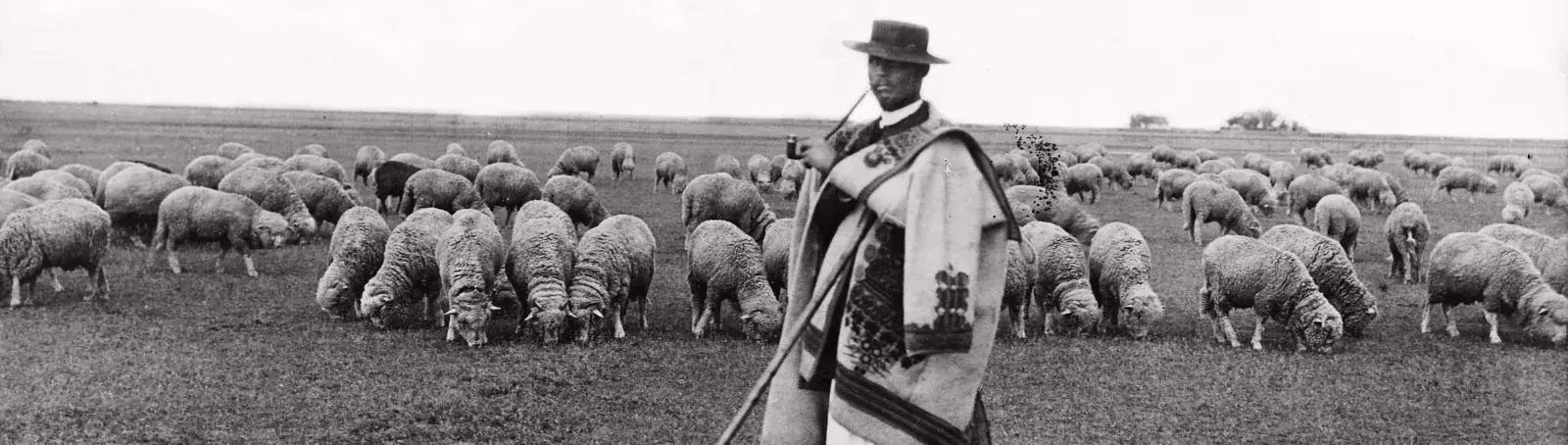
Photo by Fortepan, Magyar Földrajzi Múzeum, Erdélyi Mór cége, 1908.