Sándor Timár was born in Szolnok in 1930.
During his high school years, he became involved in the burgeoning folk dance movement through scouting. Later, before his final exams, he and his friends went on field trips around Karcag to study local dance traditions.
Early 1950s
After an unsuccessful college admission, he joined the SZOT Art Ensemble led by István Molnár, where Molnár's training significantly improved his skills.
1955
He left the SZOT Art Ensemble. In 1958, a few years later, he founded the Bartók Dance Company, marking a significant step in his career.
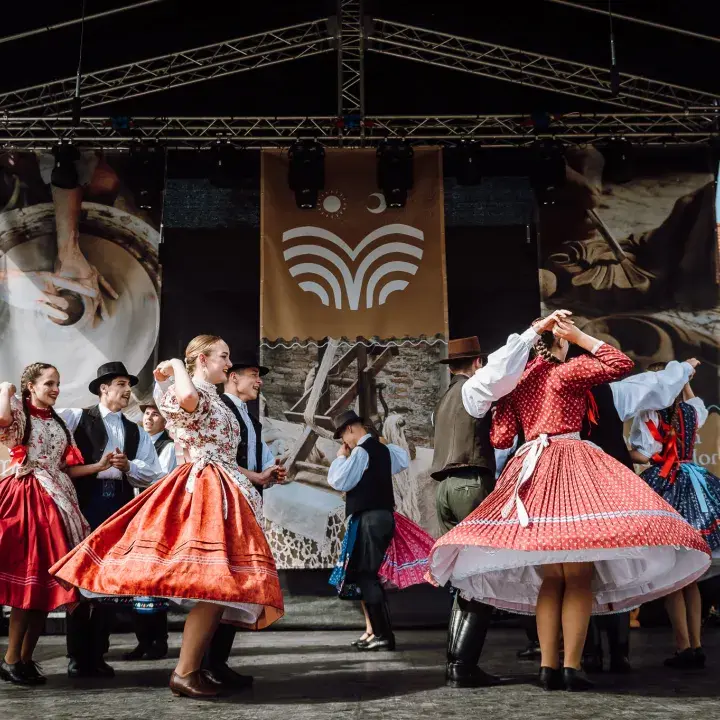
The ensemble's repertoire drew on the research of folk dance scholars, especially György Martin and Ernő Pesovár. His choreographies included the Sóvidéki táncok (Salt Country Dances), Alföldi ugrós és csárdás (South Plain Jump and Czardas), Öt legény tánca (Dance of the Five Lads), Szlavóniai karikázó (Slavonian Round Dance), and Szatmári táncok (Satmar Dances). Several later joined the Hungarian State Folk Ensemble's repertoire.
1970
He graduated from the Academy of Theatre and Film Arts with a degree in choreography, where he studied alongside Katalin Györgyfalvay.
In 1972
He was appointed head of the Folk Dance Department of the Hungarian Academy of Dance.
During this period, the work of the Bartók Dance Ensemble was closely connected with the authentic folk music activity of the Sebő Ensemble. As a result of this collaboration, the Dance House Movement was launched, initially formed by four amateur ensembles: Bartók, Bihari, Vadrózsák, and Vasas. Consequently, the movement quickly became a national phenomenon.
The interaction between the dance house and the stage was decisive during Timár's "Bartók Ensemble" period: authentic dance material emerged simultaneously as both a community dance and a stage genre.
Sándor Timár and the renewal of the Hungarian State Folk Ensemble
After Miklós Rábai's death, the Hungarian State Folk Ensemble struggled to find its path forward. During this period of uncertainty, Dezső Lévai—who had collaborated as director-choreographer with Rábai since 1968—assumed artistic leadership.
Létai later recalled this period as:
"Rábai was an artist, a leader and a titan that could not be replaced. After his death, we felt paralysed ... we knew that life shouldn't stop, but we could not move.”
By the end of the 1970s, with interest in renewal growing, the influence of folk dance research and the Dance House movement became more pronounced. These developments led to a consensus that stage folk dance should reconnect with authentic folklore.
This shift gained momentum in 1981, when Minister of Culture Imre Pozsgay appointed Sándor Timár as artistic director of the ensemble. Timár’s mandate was to reshape the company's artistic vision by drawing on the new approach already employed by the Bartók Dance Company.
Underlying this change in leadership was a broader cultural debate. In a conversation that became known as the "Rózsadomb coup," significant intellectuals—such as László Nagy, Sándor Csoóri, and Géza Körtvélyes—urged a move away from the stylised 'folk revue' towards more authentic traditions.
Over more than a decade and a half of the Timár era, the ensemble was fundamentally transformed. This transformation benefited further from György Martin's scholarship on folk dance. Building on these foundations, Timár's choreographies focused on the individualism, diversity, and improvisational character of authentic folk dance.
The difference between the two creative approaches could be described as:
- Miklós Rábai emphasised the dramatised, theatrical effect of folk dance and the ensemble's overall influence.
- Sándor Timár, by contrast, cultivated reverence for original folklore and embraced the personal expressiveness of each dancer.
While Rábai was one of the creators of stage folk dance, Timár brought authentic folk dance language back to the stage, opening a new chapter in the history of the Hungarian State Folk Ensemble.