Night of Museums in the Hungarian Heritage House
This year, the Hungarian Heritage House joins the series of programs titled Night of Museums with two venues, where kids...

This year, the Hungarian Heritage House joins the series of programs titled Night of Museums with two venues, where kids...
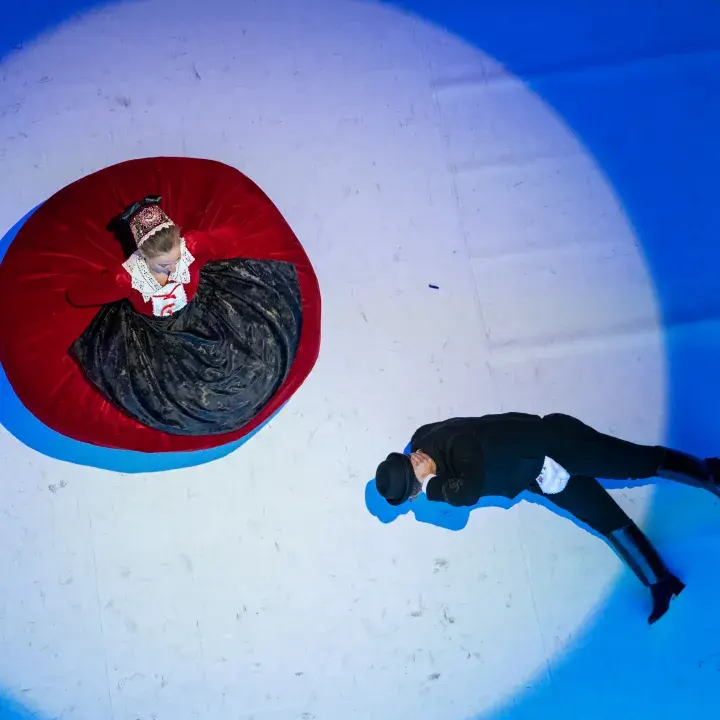
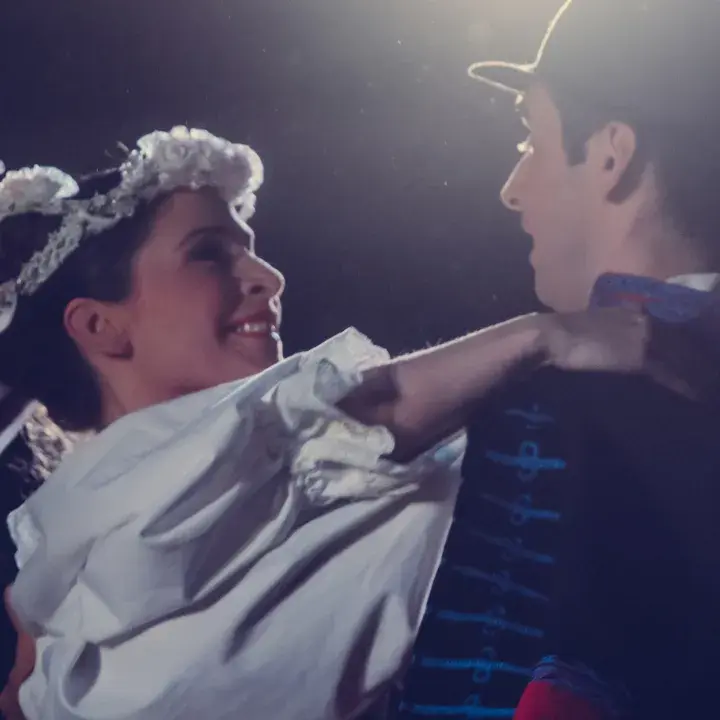
Joint Gala Program of LADO Croatian National Folk Ensemble and Hungarian State Folk Ensemble
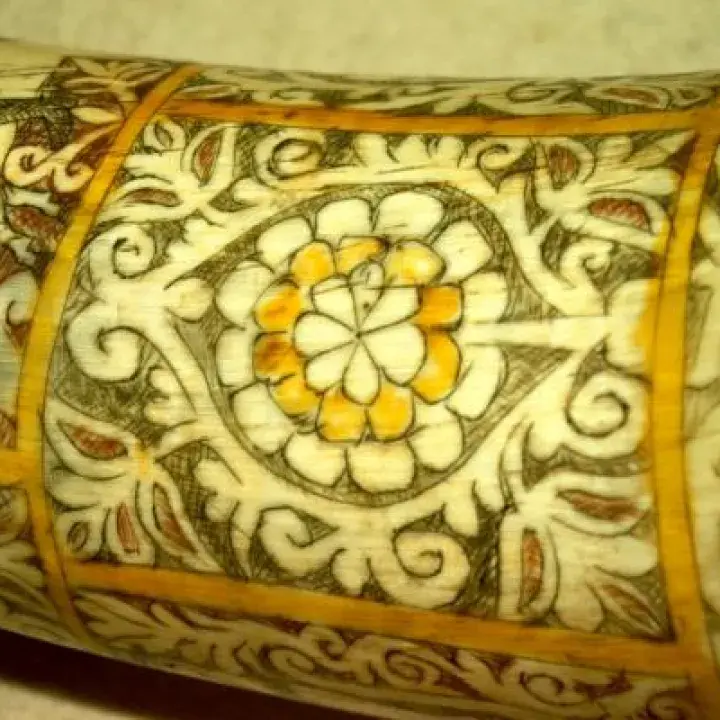
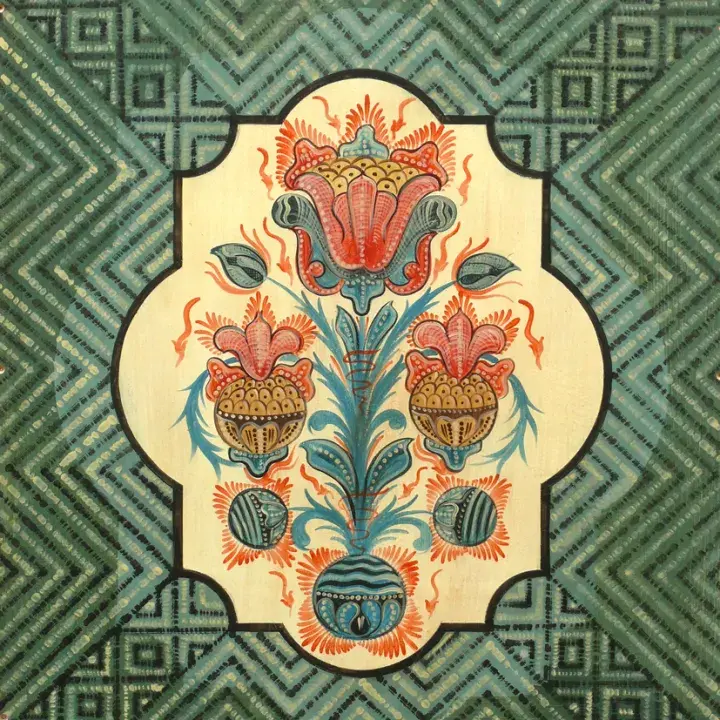
In memoriam Antal Kapoli Sr. carving master
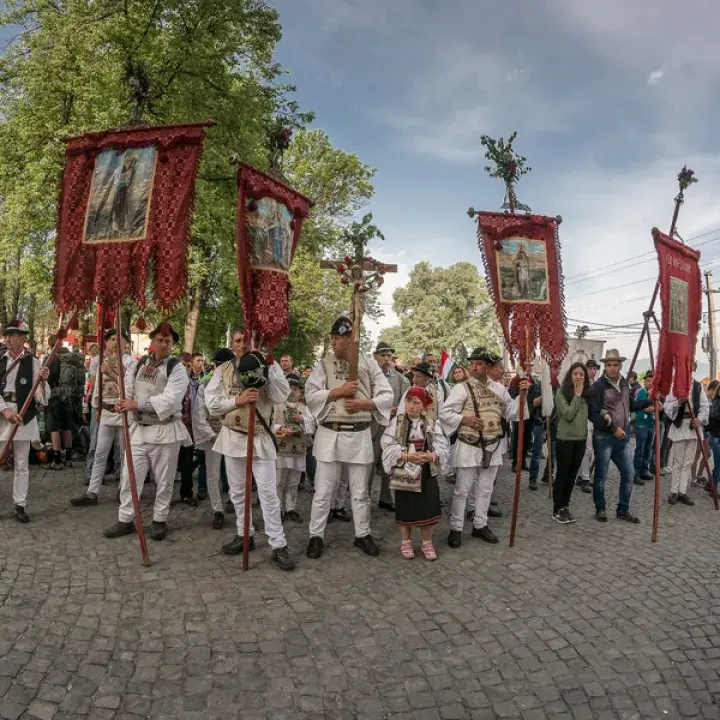
Emlékezzünk, gondolkodjunk, és fogadjuk azokat a magyarokat szívünkbe, akik minden zivatar, bántás ellenére is megőrizték a nyelvet, Rákóczi szabadságának egy...
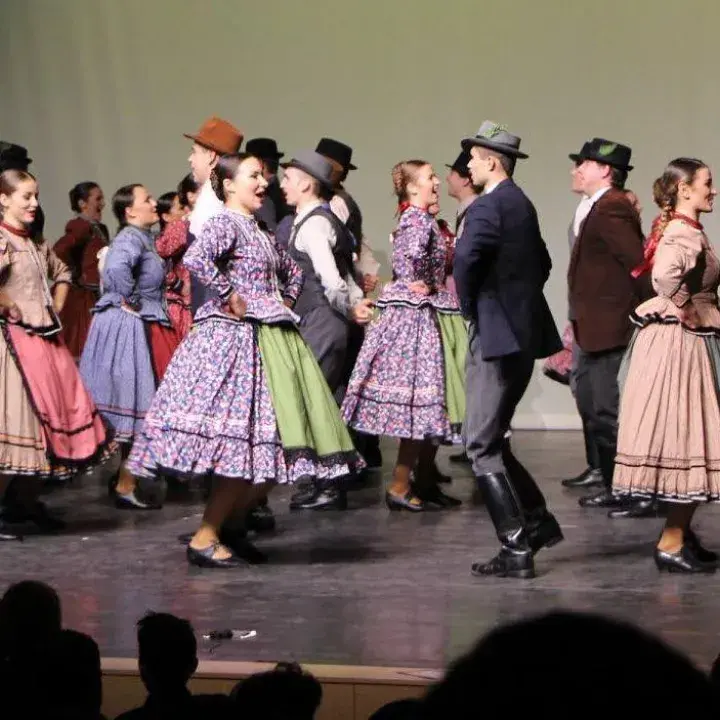
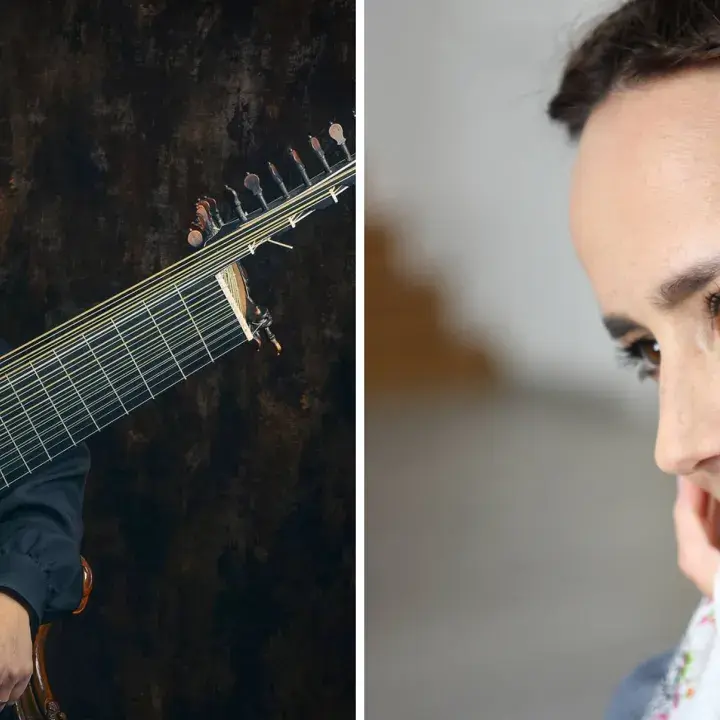
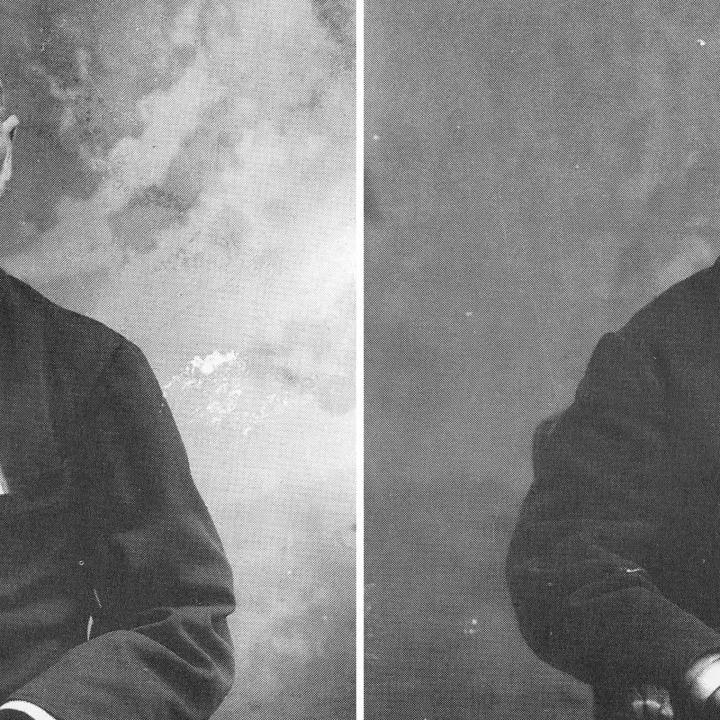
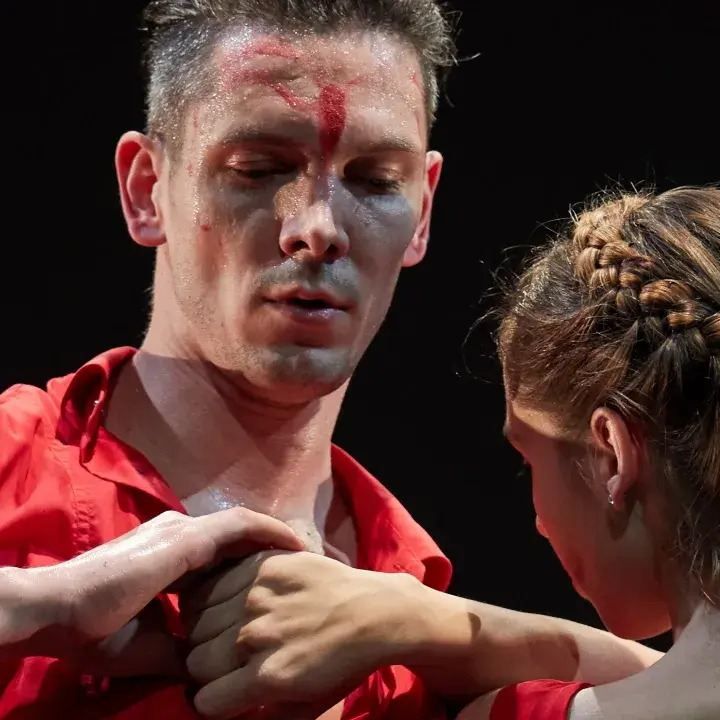
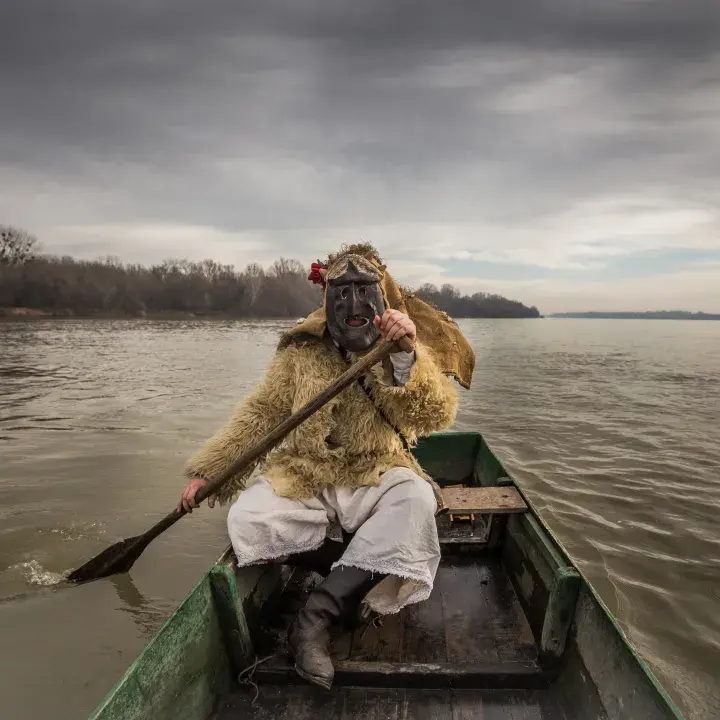
This celebration, similarly to the carnival season, is a distinguished period that encapsulates rebirth. The busó festivities of Mohács has...
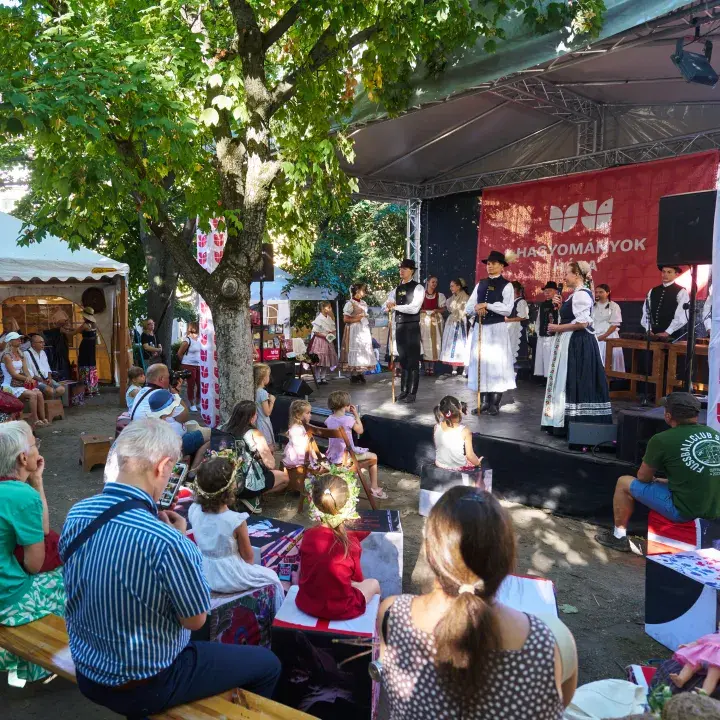
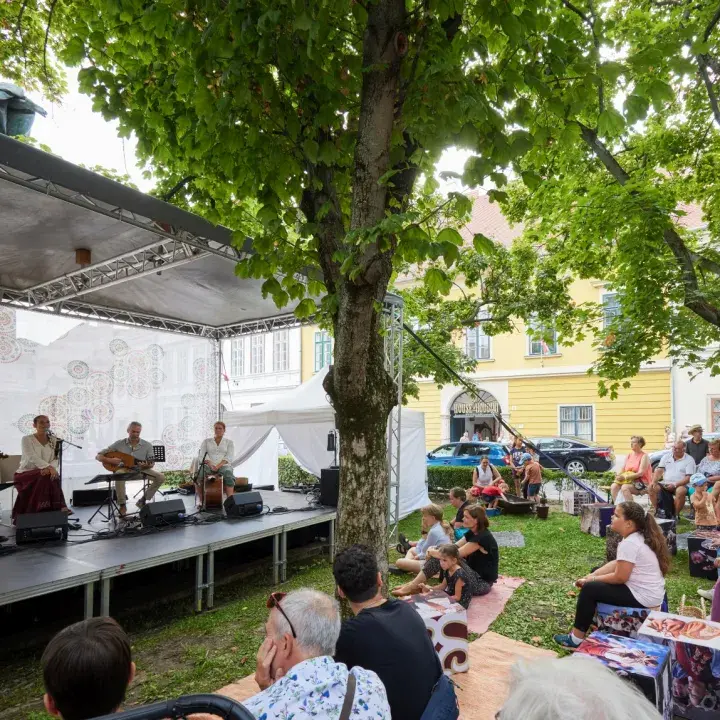
At the Festival of Folk Arts, folk crafts also feature prominently in the Hungarian Heritage House’s program lineup, as a full-day folk playhouse awaits those who visit our courtyard. At the craft tables, under the guidance of the institution’s excellent instructors and with the participation and assistance of the current students, visitors can create exciting crafts from 10 am to 7 pm.
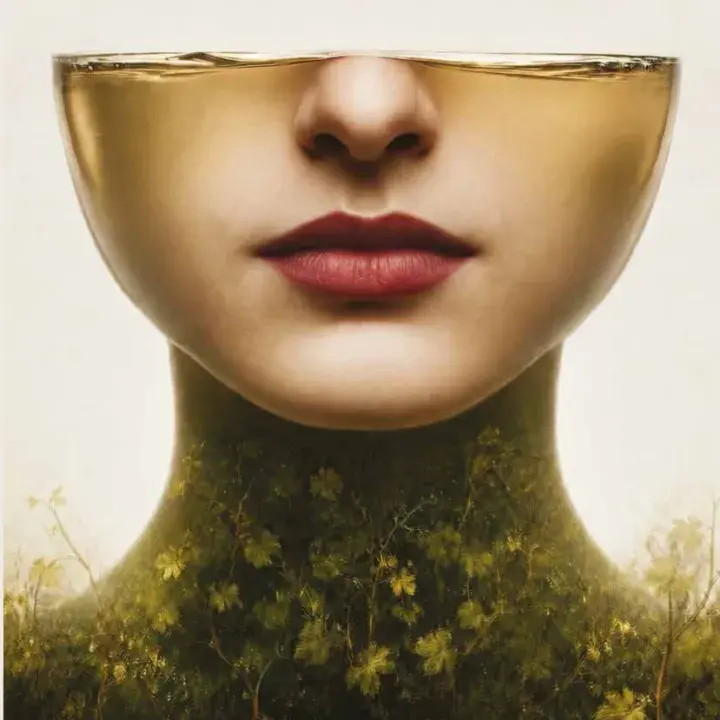
The performance does not present a series of memories handed down to us through folklore, but rather explores the mystery of wine: for in a single sip lie sanctity, sacrifice, celebration, intoxication, joy, and solace.
A Magyar Állami Népi Együttes produkciójában a Hagyományok Háza Magyar Népi Iparművészeti Múzeum műtárgyai is megjelennek. Izgalmas műfaji kísérletnek lehetünk tanúi, amire a Hagyományok Háza életében még nem volt példa.
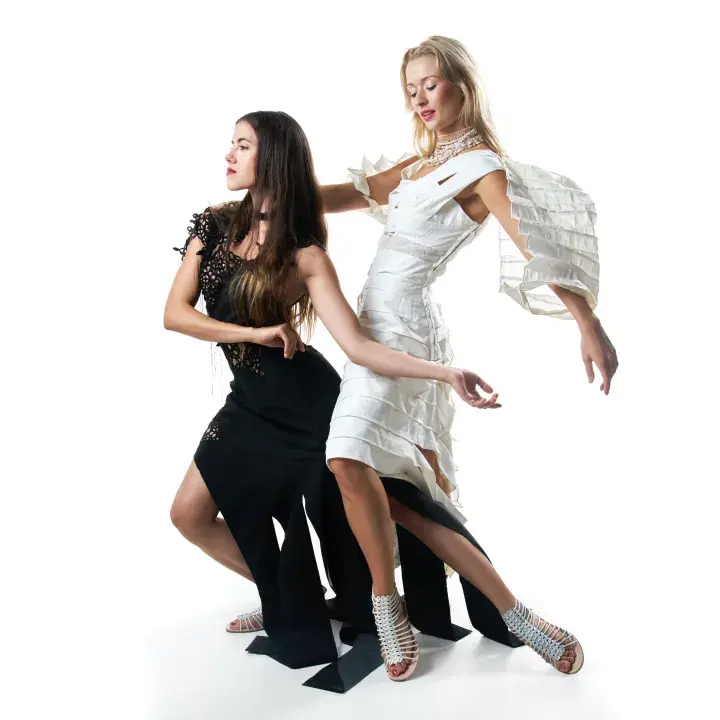
We show not only what it once was, but also how we think about it in today's world.
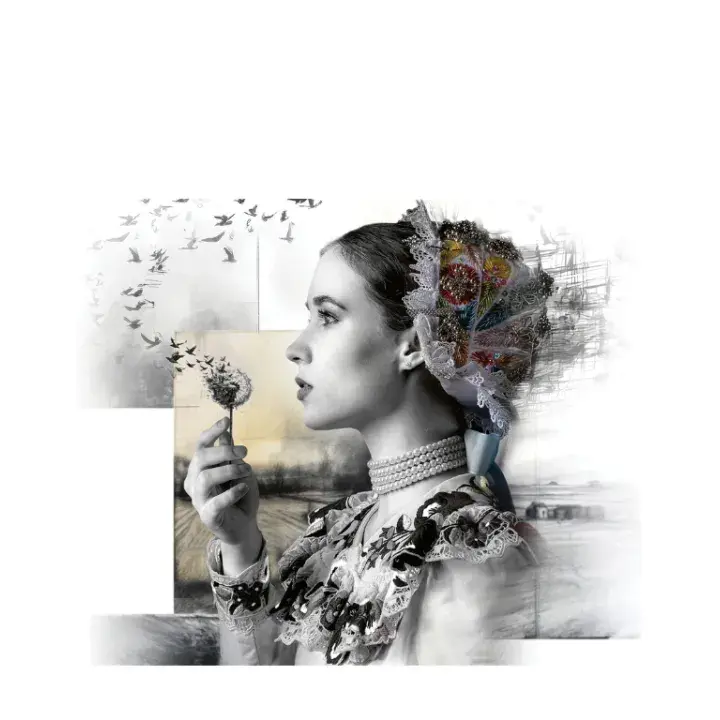
It is no geographical journey alone, but also a time travel, as the ancient Asian roots of our folk music appear just like the pieces that have inspired several worldwide celebrated Hungarian composers. It is an imprint of the music and dance of Europe's thousand-year history.
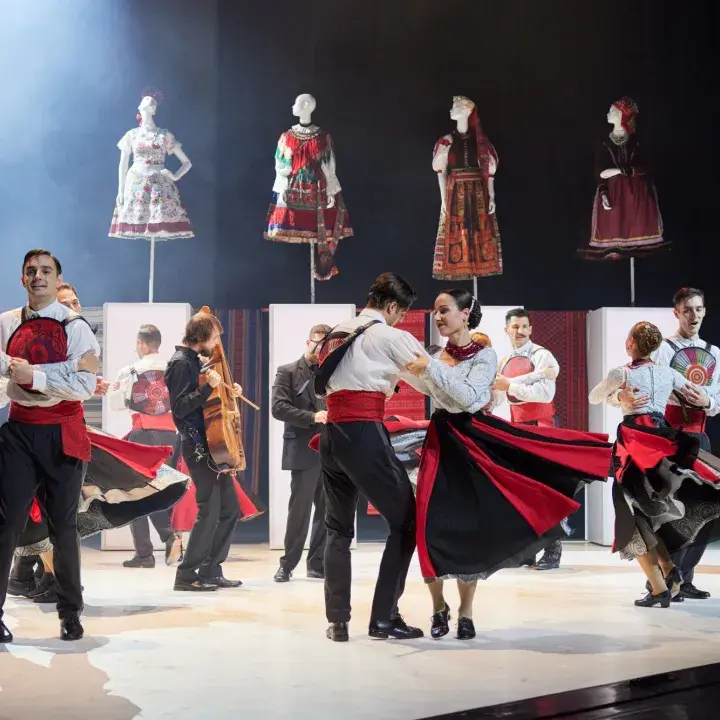
The fundamental motif of Lorca’s last, masterly written drama is the tension between confinement and the desire for freedom and fulfilment. The piece draws attention to the constraints imposed on female identity, as well as the limitations to women’s physical, mental and spiritual autonomy within a patriarchal society. The questions that arise in the play remain relevant to the present day.
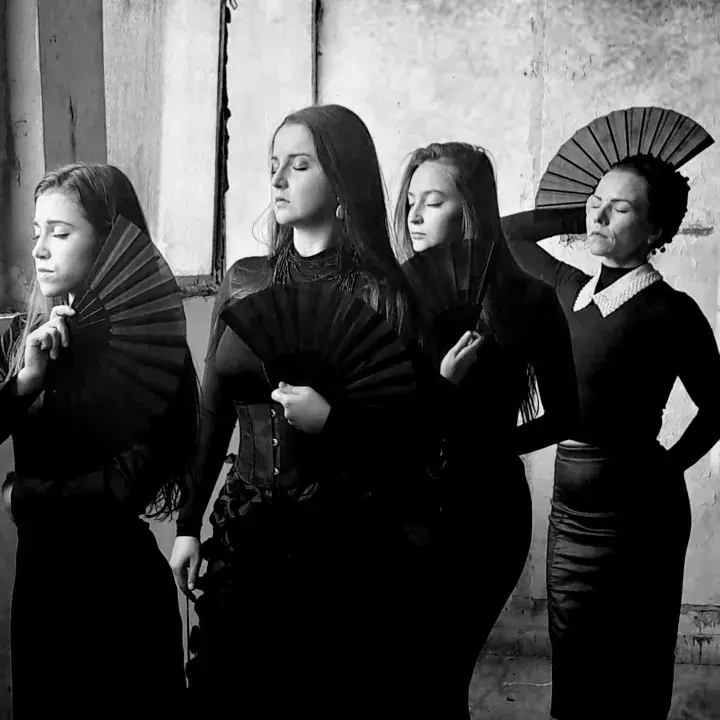
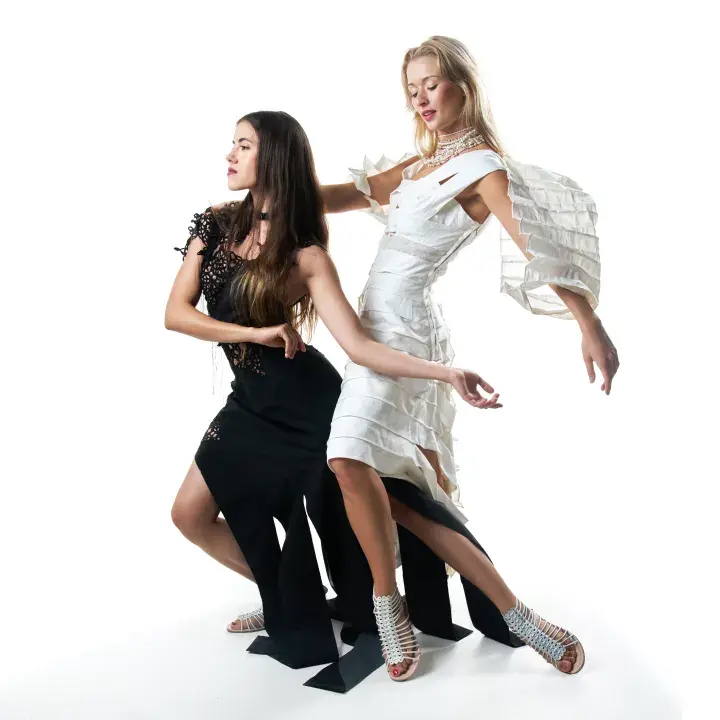
A unique dialogue between fashion and tradition on the stage of the Hungarian Heritage House.
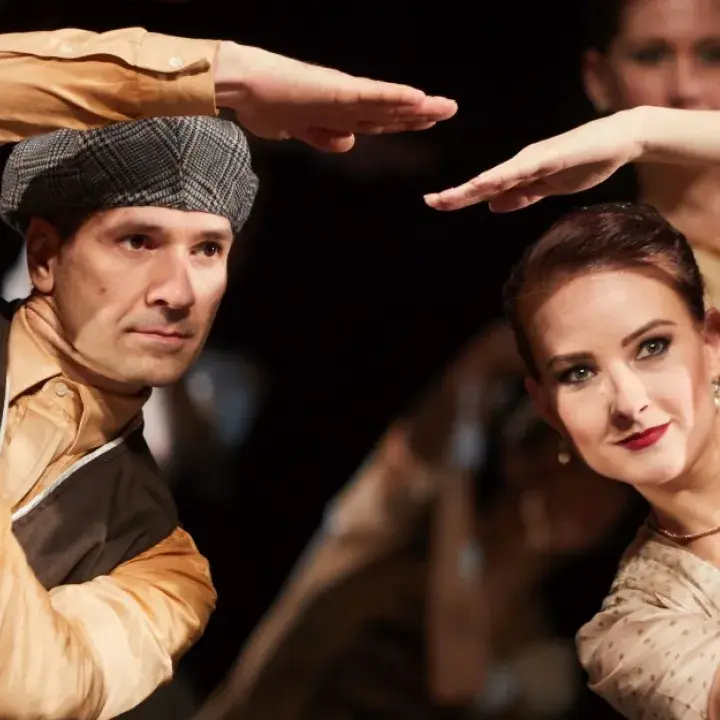
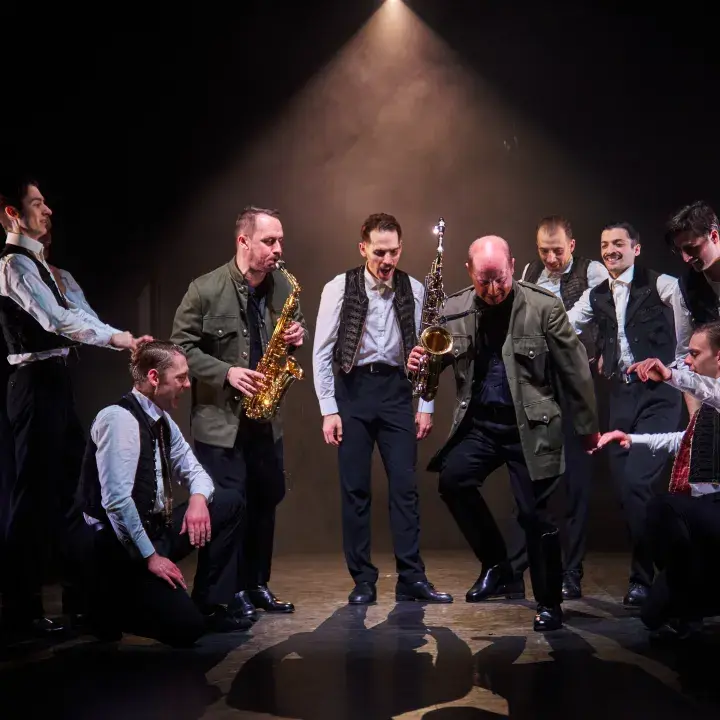
Our show gives an insight into these people's lives while walking us through the 20th century, which changed everything for good.
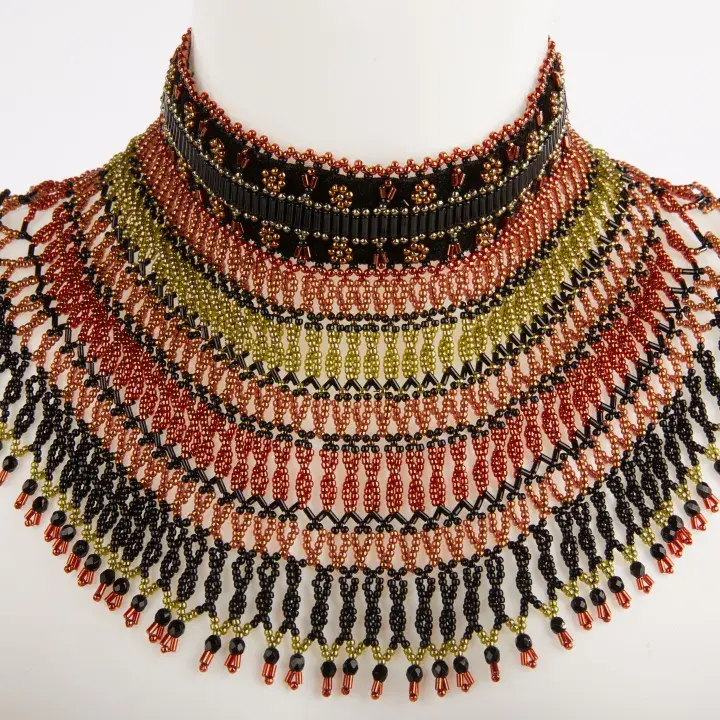
The Museum of Hungarian Applied Folk Art's jewellery collection consists of pieces inspired by folk motifs and produced by 20th—and 21st-century folk artisans and designers.
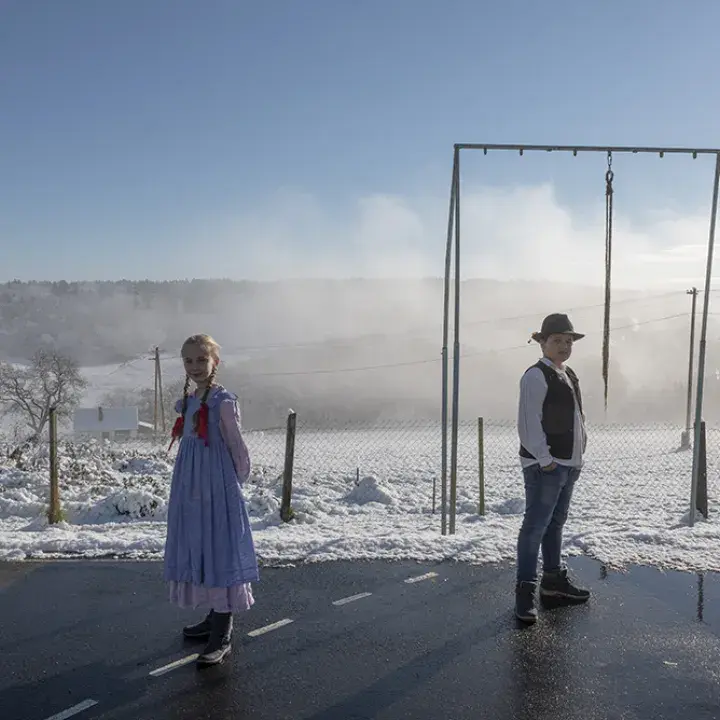
Colourful, varied and exciting. This is true both for the present existence and visual capture of Hungarian folklore. Among the two dozen exhibiting photographers, we can find an Artist of the Nation, Péter Korniss or others who have been capturing folk traditions for decades, like Béla Kása or Gyula Ádám.
Visitors are awaited at craft instruction sessions, craft shows, folk puppet theatre, infant lap games, children's dance instruction and concerts, storytelling sessions, publication and ticket sales, and the folk playground of Fabatka Porta.
Dance lessons, unique dances, renowned musicians and a frenetic atmosphere awaits dance lovers every Saturday from 7 p.m. in the Atrium of the Vigadó of Buda.
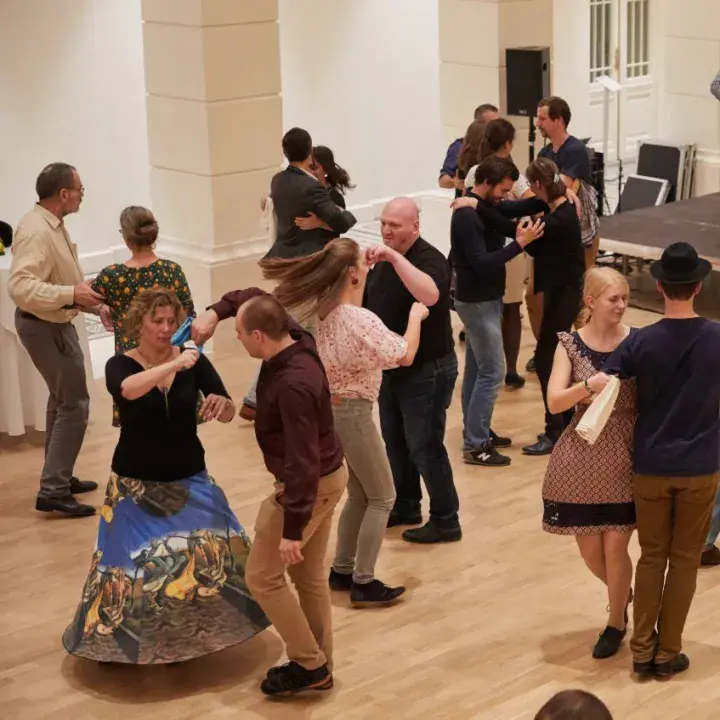
The venue of the dance event is a symbolic space: concert halls, restaurants, bars and village pubs, etc.
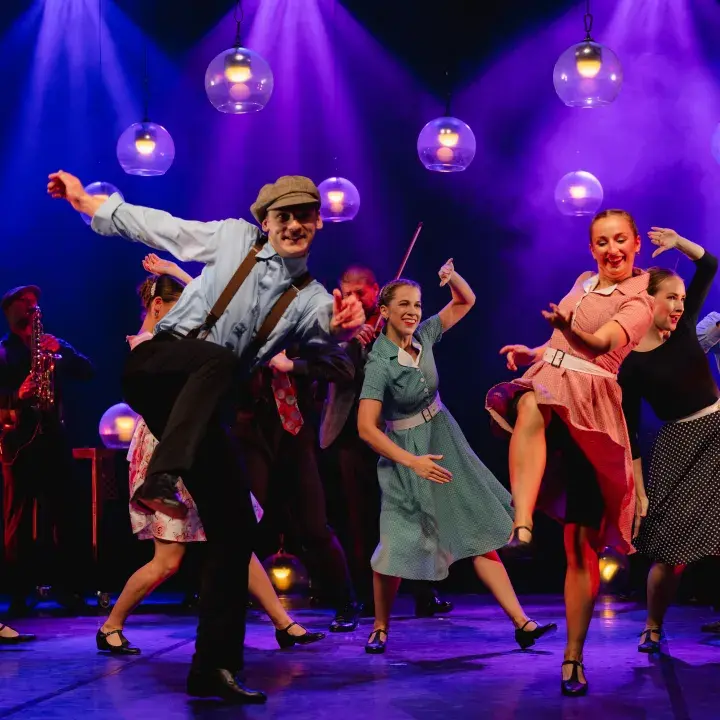
It is the first time in the history of Hungarian stage folk dance that the multi-coloured traditional cultures of the peoples living in the Délvidék (the region of historic southern Hungary, now partly in Serbia and Croatia) – Hungarians, Serbs, Croats, Germans and Romanians – have been presented.